Contractor Definition Construction Funny Review
As a designer who has spent years navigating the intersection of digital art and physical thread, I approach every new machine embroidery design with a critical eye. It is not enough for a graphic to look good on a screen; it must survive the translation from pixels to stitches without losing its soul. Recently, I evaluated the Contractor Definition Construction Funny design, a piece that promises humor and utility in equal measure. While the product description highlights its compatibility with Cricut and Silhouette cutting machines as an SVG file, my focus here is strictly on how this concept translates into a high-quality embroidery project. For the Etsy seller, the boutique owner, or the hobbyist looking to expand their catalog, understanding the practical application of this design is crucial before committing to production.
The Visual Personality and First Impressions
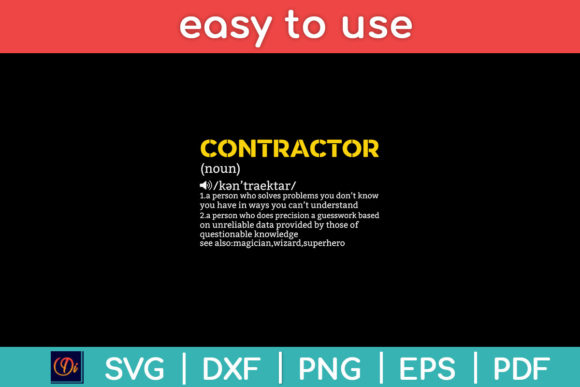
At first glance, the Contractor Definition Construction Funny graphic strikes a balance between bold typography and playful illustration. The mood is inherently lighthearted, leaning into the "handyman" archetype that resonates deeply with DIY enthusiasts and professional contractors alike. In the realm of Crafts and Graphics, designs that rely on wordplay often succeed because they offer a conversation starter. However, the challenge lies in the execution. When viewing the vector lines intended for cutting, one must mentally reconstruct how these shapes will behave under a needle.
The layout appears dense in areas where the definition text clusters together. For a finished product, this density could be a double-edged sword. If the design features intricate curves or tight kerning in the text, the transition to an embroidery file requires careful digitizing. A skilled digitizer would need to ensure that the stitch density does not overwhelm the fabric, particularly if the design includes both thick block letters and finer illustrative elements. The visual personality suggests a design meant to pop, likely requiring high-contrast thread colors against a neutral background to maintain readability and impact.
A Real-Life Scenario: The Custom Tote Bag Project
To truly test the viability of this design, imagine a specific scenario: you are preparing a limited run of custom tote bags for a local hardware store's holiday gift shop. The goal is to create a durable, reusable bag that feels premium yet fun. You decide to use the Contractor Definition Construction Funny motif. As you visualize the placement on the front panel of a heavy-duty canvas tote, several considerations arise.
Canvas is a forgiving fabric texture, but it can still pucker if the fill stitch is too aggressive. If the design includes a small icon or a complex definition box, you must verify that the details remain crisp after stitching. On a tote bag, which is handled frequently and subjected to wear, the hoop size becomes a limiting factor. If the design is large, you might need to hoop the bag multiple times or use a walking foot attachment, which introduces alignment risks. Would the customer appreciate the detail? Or would they prefer a simplified version where the humor is immediate and clear from a distance?
In this context, the design works best as a statement piece. The humor lands well on items like aprons, sweatshirts, or caps, where the wearer wants to express their profession or hobby with pride. However, if you were attempting this on a delicate baby item or a thin cotton shirt, the weight of the embroidered patch equivalent created by the design could distort the garment. This is why the choice of substrate is just as important as the design itself.
Navigating Technical Challenges in Embroidery
While the source file is described as a print cut file, converting this to an applique design or a standard stitch file requires foresight. One of the most common pitfalls with humorous text-based graphics is the legibility of small lettering. If the "definition" portion of the design contains fine print, it may disappear once stitched due to thread thickness. I always advise testing the design on scrap fabric first. Check whether the running stitch outlines hold up or if they bleed into the fill areas.
Furthermore, consider the surface area. Curved surfaces like caps present a unique challenge. The Contractor Definition Construction Funny design might have straight lines that bow awkwardly when stitched onto a rounded brim. In such cases, using a cap frame and adjusting the digitizing to account for the curve is essential. Similarly, dark fabrics require a different approach. Without a solid underlay, lighter thread colors will show through poorly, diminishing the visual appeal. A proper stabilizer is non-negotiable here to prevent shifting and ensure the final result looks professional.
For those selling commercial embroidery services, the risk of over-stitching is real. Dense areas can make the fabric stiff, reducing the comfort of a custom apparel item. If the design is intended for a sweatshirt embroidery project, the bulkier knit fabric can hide some density issues, but on a fitted t-shirt, every millimeter of thread counts. Always review the stitch count relative to the hoop size to ensure the machine can complete the job without running out of space or time.
Strategic Use for Small Business and Crafters
For the small shop product creator or the independent maker, the value of this design lies in its versatility. It fits perfectly into the category of personalized gifts, especially during holidays or Father's Day. However, to maximize buyer engagement, the presentation matters. A printable mockup showing the design on various products—like a kitchen towel, a pillow cover, or a blanket—can help customers visualize the potential. But remember, what looks great in a digital preview might differ in reality.
If you plan to sell the finished goods, ensure you have the correct licensing. Many digital product sellers assume that buying an SVG grants them the right to sell embroidered versions, but this is not always the case. Verify the license terms before listing your handmade product online. Additionally, consistency is key for brand recognition. If you use this design across multiple items, ensure the color palette and stitching quality remain uniform. A sloppy stitch on one item can damage the trust built by a perfect one.
The Contractor Definition Construction Funny design offers a strong foundation for a craft business, provided you respect the limitations of the medium. It is not merely about transferring an image; it is about engineering a textile experience. Whether you are creating a boutique branding item or a simple holiday embroidery gift, the success of the project hinges on your ability to adapt the graphic to the constraints of the machine and the fabric.
Final Designer Notes for Success
- Test Run: Always stitch a sample on the actual fabric you intend to use to check for puckering and tension issues.
- Color Contrast: Ensure the thread stands out against the background material to maintain the readability of the text.
- Stabilizer Choice: Do not skip the stabilizer, especially on stretchy or textured fabrics, to keep the shape defined.
- Licensing Check: Confirm you have the rights to sell finished items made from this design asset.
- Detail Inspection: Zoom in on small corners and text to ensure they will not get lost in the stitching process.
Ultimately, the Contractor Definition Construction Funny design is a promising asset for anyone in the crafting world. With careful planning, appropriate material selection, and attention to technical details, it can become a standout piece in your collection. It transforms a simple joke into a tangible, high-quality product that customers will love to wear and display.