Drop the Beet: A Designer's Real-World Embroidery Review
As someone who has spent years navigating the intersection of digital Graphics and tactile textile work, I approach every new design file with a mix of curiosity and skepticism. When I first opened the source files for Drop the Beet, my immediate reaction was one of amusement followed by professional assessment. This is not just another generic vegetable motif; it carries a specific personality that screams "kitchen humor." However, translating a funny SVG concept into a high-quality machine embroidery design requires more than just hitting the download button. It demands an understanding of how the lines will translate to thread, how the density will hold up on different fabrics, and whether the final finished product will truly resonate with your customers.
The First Impression: Mood and Visual Weight
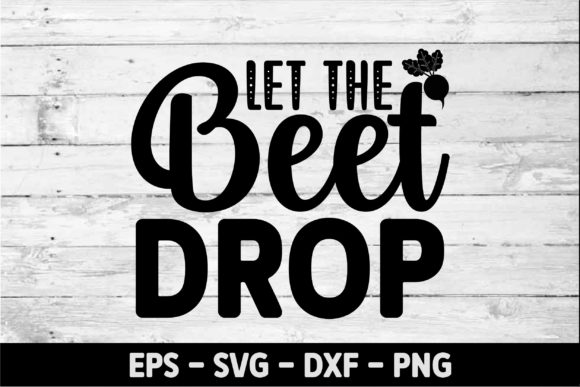
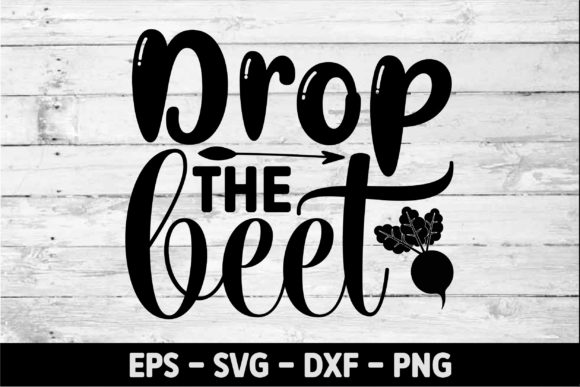
Drop the Beet immediately establishes a playful, slightly irreverent mood. The phrase itself is a pun that works well in the culinary world, but visually, the success of this design relies heavily on the balance between the text and the accompanying graphic elements. In the digital realm, the shapes appear clean and bold, which is promising. For an Etsy seller or a boutique owner looking to add some character to their shop, this kind of design offers a break from the serious, minimalist trends that dominate many craft markets. It invites conversation. When I visualize this as a tote bag design or a statement piece on a chef's apron, the visual weight feels appropriate—it's loud enough to be seen but structured enough to remain legible.
The layout suggests a central focal point, likely the beet itself, surrounded by the witty text. In terms of Graphics, the creator has clearly put thought into the composition. However, as an experienced designer, I know that what looks crisp on a monitor can sometimes struggle under the needle. The key here is ensuring that the negative space within the letters and the beet illustration allows for proper fill stitch without creating dense clumps of thread that could pucker the fabric.
Real-Life Application: From File to Fabric
Let's talk about a real scenario. Imagine you are preparing a batch of custom embroidered sweatshirts for a local farmers' market pop-up shop. You want something that appeals to home cooks and foodies. You load Drop the Beet into your machine. How does it perform? If the design is optimized correctly, the result should be a vibrant, textured patch that stands out against the heather grey cotton of the sweatshirt. The sweatshirt embroidery process benefits from designs that have clear separation between elements, allowing for easy color changes and minimal trims.
I also see great potential for this as a personalized gift. Picture a holiday embroidery project where you create matching kitchen towels for a bridal shower or a housewarming party. The whimsical nature of the phrase makes it perfect for these occasions. It transforms a standard kitchen towel into a conversation starter. If you are selling these as part of a craft business, the perceived value increases significantly because the design feels curated rather than mass-produced. Customers appreciate when a handmade product shows attention to detail and a sense of humor.
For those creating embroidered patches, Drop the Beet offers a distinct silhouette. Patches require designs that can stand alone, often needing a strong border or a very defined edge. If the original SVG has clean vector paths, converting this to a patch format should yield excellent results. These patches could be sewn onto denim jackets, backpacks, or even used as iron-on transfers for custom apparel, expanding the utility of a single digital embroidery file.
Navigating Challenges: Where Caution is Needed
While the concept is strong, practical application reveals areas where caution is required. One major consideration is the hoop size. If the design includes detailed corners or tiny lettering within the word "Beet," shrinking it down for a small hoop, such as a 4x4 inch frame for a baby item or a cap, could lead to stitching issues. On a curved surface like a baseball cap, tight curves in the text can cause thread bunching if the stitch density is too high. Always test the design on scrap fabric first to ensure the details don't get lost.
Fabric texture is another critical factor. Drop the Beet might look fantastic on a smooth cotton canvas, but on a highly textured knit or a stretchy jersey material, the intricate details could become distorted. The movement of the fabric during stitching can pull threads out of alignment, ruining the clarity of the text. Similarly, using this design on dark fabrics requires careful selection of thread colors. You may need a dense underlay or a backing to ensure the lighter colors of the beet pop against the background. Without proper contrast, the humor of the design gets lost in the shadows.
Furthermore, consider the longevity of the product. Kitchen items like aprons and tea towels undergo frequent washing. If the running stitch or satin stitch areas are too thin, they might fray over time. As a reviewer, I advise checking the stitch count and density settings. A higher density usually means better durability but risks puckering. Finding that sweet spot is essential for maintaining the professionalism of your small shop product.
Professional Notes for Designers and Makers
If you are planning to use Drop the Beet for commercial purposes, there are several steps you must take to ensure success. First, always review the licensing terms. Just because you purchased the file doesn't automatically mean you can sell unlimited finished goods or resell the digital file itself. Clarify whether the license covers commercial embroidery projects, digital product sellers, or both. This protects your business and respects the creator's rights.
Before committing to a full production run, create a printable mockup or stitch out a sample on a variety of backgrounds. Compare how the design looks on light versus dark fabrics. Does the red of the beet look vibrant, or does it turn muddy on navy blue? Adjust your thread colors accordingly. Also, pay close attention to the stabilizer choice. A heavy-duty cut-away stabilizer might be necessary for durable items like bags, while a tear-away might suffice for decorative pillow covers.
Finally, think about brand consistency. If your shop specializes in rustic, earthy tones, does Drop the Beet fit your aesthetic? Or does it clash? Ensuring that the design aligns with your overall brand voice helps build customer trust. When buyers see a cohesive collection, they are more likely to engage with your store and return for future purchases.
Final Verdict: Is It Worth the Stitch?
In conclusion, Drop the Beet is a charming addition to any Crafts library, provided it is handled with care. It offers a unique blend of humor and style that can elevate simple items into memorable gifts. Whether you are making a baby embroidery onesie for a young foodie or a statement piece for a professional kitchen, the potential is there. However, the quality of the final output depends entirely on your preparation. Test your embroidery project thoroughly, respect the limitations of your materials, and always prioritize stitch quality over speed. With the right execution, this design can become a best-seller in your portfolio, proving that even a simple pun can deliver big results when executed with professional precision.