Sorry is My Teaching Interrupting: A Designer Review
As someone who has spent years navigating the intersection of digital design and physical stitching, I approach every new machine embroidery design with a critical eye. The market is flooded with graphics that look perfect on a screen but fall apart under the needle. Today, I am evaluating a specific piece titled Sorry is My Teaching Interrupting. This design falls squarely into the Crafts category as a set of Graphics, but its true value lies in how it translates from a digital file to a tangible, stitched reality. Whether you are an Etsy seller looking for your next bestseller or a hobbyist making a personalized gift, understanding the practical application of this design is crucial before you commit thread and time.
First Impressions: Mood and Visual Personality
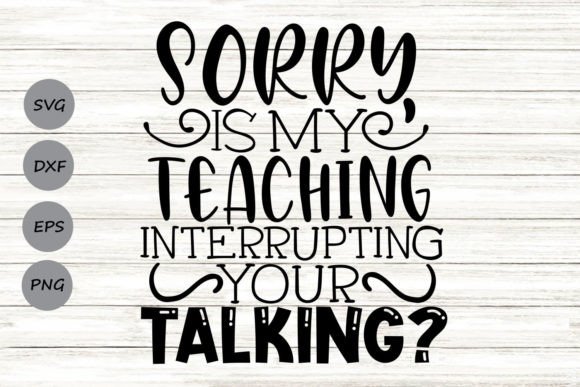
When I first opened the preview for Sorry is My Teaching Interrupting, the immediate reaction was one of relatable humor. The phrase itself captures a very specific, high-energy moment in the life of an educator. It creates a mood that is playful yet assertive. Visually, the layout needs to be examined closely. In the world of embroidery project planning, text-heavy designs can often suffer from poor legibility if the stitch density isn't managed correctly. However, the typography here appears bold and clear, which is a strong starting point for a finished product.
The visual personality of this design screams "teacher appreciation" without being overly sentimental. It fits perfectly into the genre of funny teacher gifts. For a craft business, this kind of design asset is valuable because it taps into a niche audience—teachers—who are always looking for items that reflect their daily reality. The shape and flow of the letters suggest a design that will hold up well in a standard hoop, provided the scaling is appropriate.
Real-World Application: From File to Fabric
Let's move beyond the screen and imagine a real-life scenario. Picture yourself preparing a custom embroidered tote bag for a back-to-school craft fair. You have selected a sturdy canvas material, and you are considering Sorry is My Teaching Interrupting as the central motif. How does it perform? In this context, the design shines. Tote bags offer a flat, stable surface that allows for excellent fill stitch coverage and crisp satin stitch outlining. The bold nature of the text ensures that even from a distance, the message is readable, which is essential for promotional items or small shop product displays.
Consider another use case: a sweatshirt for a favorite mentor. Embroidering on a knit fabric like a sweatshirt introduces challenges such as stretching and texture. Here, the design's simplicity becomes an asset. Unlike intricate floral patterns that might get lost in the fabric pile, the clean lines of Sorry is My Teaching Interrupting cut through the texture. When placed on the chest or sleeve, it acts as a statement piece. This makes it an ideal candidate for custom apparel where the goal is visibility and impact. The design also works exceptionally well for embroidered patch creation. If you produce patches for teachers to sew onto their denim jackets or backpacks, this graphic offers a high degree of recognition and brand consistency.
For those creating holiday embroidery gifts or personalized baby items, the versatility of this text-based design is notable. While it is specifically teacher-themed, the concept of "interrupting" can be adapted or paired with other elements for broader audiences, though its primary strength remains in the education sector. As a digital embroidery file, it serves as a robust foundation for various projects, from kitchen towels to pillow covers, provided the fabric weight is sufficient to support the stitching.
Navigating Challenges: Where Caution is Required
Despite its strengths, no design is universally perfect without careful execution. There are specific situations where Sorry is My Teaching Interrupting requires extra attention. First, consider small hoop sizes. If you attempt to shrink this design to fit a 4x4 inch hoop, the lettering may become too dense. High stitch density in a small area can lead to puckering, especially on lighter fabrics. Always check the recommended minimum size for the embroidery file before committing to a tiny project.
Fabric texture is another critical factor. On highly textured materials like heavy fleece or thick terry cloth, the fine details of the text might not stand out as sharply. The contrast between the thread and the fabric becomes paramount. If using dark fabric, ensure the thread colors provide enough pop; otherwise, the message could get lost in the shadows. Similarly, on stretchy fabrics like jersey knit, the tension of the machine must be dialed in perfectly to prevent the design from warping after washing.
Curved surfaces present a unique challenge. Attempting to embroider this design on a cap or a rounded hat panel requires significant skill. The straight lines of the text might bow or distort if the stabilizer isn't applied correctly. For beginners, it is safer to stick to flat surfaces like tote bags or aprons until they master curved embroidery. Additionally, products that require frequent washing, such as tea towels or gym wear, need a design that can withstand abrasion. While the text is durable, the edges of the stitches should be inspected to ensure they won't fray over time.
Impact on Product Value and Customer Trust
Using a well-executed version of Sorry is My Teaching Interrupting significantly boosts the perceived value of a handmade item. Customers buying personalized gift items expect precision. A sloppy stitch job on a humorous quote can undermine the sentiment entirely. Conversely, a clean, professional finish builds customer trust and encourages repeat business. For commercial embroidery projects, this design helps establish a brand identity that is fun and approachable. It signals to the buyer that the maker understands the end-user's lifestyle.
In the competitive landscape of online marketplaces, the presentation of your handmade product matters immensely. A high-quality mockup showing this design on a premium sweatshirt or a chic tote bag can drive engagement. The clarity of the text in the printable mockup assures the buyer of what they will receive, reducing hesitation and increasing conversion rates.
Practical Notes for the Designer
Before you download and stitch, there are several steps I recommend taking to ensure success. First, always test the design on scrap fabric. This allows you to check the hoop size requirements and verify that the running stitch and fill areas are balanced. Look for any gaps in the stitching or areas where the thread might pull too tight.
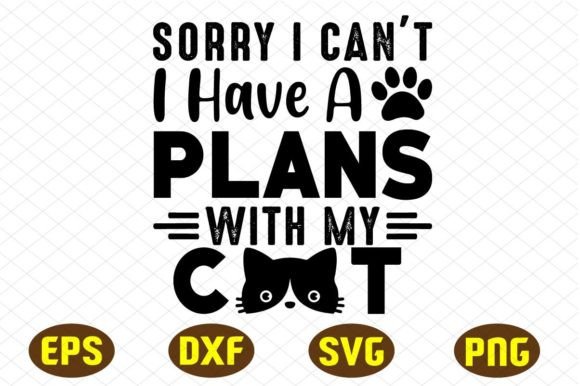
Second, review the stitch density. If the file is too dense, you may need to adjust the settings in your software to prevent fabric distortion. Third, confirm the licensing terms. While the product description mentions SVG, DXF, PNG, and EPS files ready for cutting machines, embroidery-specific formats (like PES, DST, or JEF) must be verified for commercial use. Ensure you have the right to sell finished items made with this design.
Finally, consider the color palette. Test the design in black and white mockups to see how the contrast works against different backgrounds. Compare light and dark fabric options to determine the most versatile colorway for your inventory. By following these steps, you ensure that Sorry is My Teaching Interrupting becomes a standout piece in your collection, delivering both humor and quality to your customers.